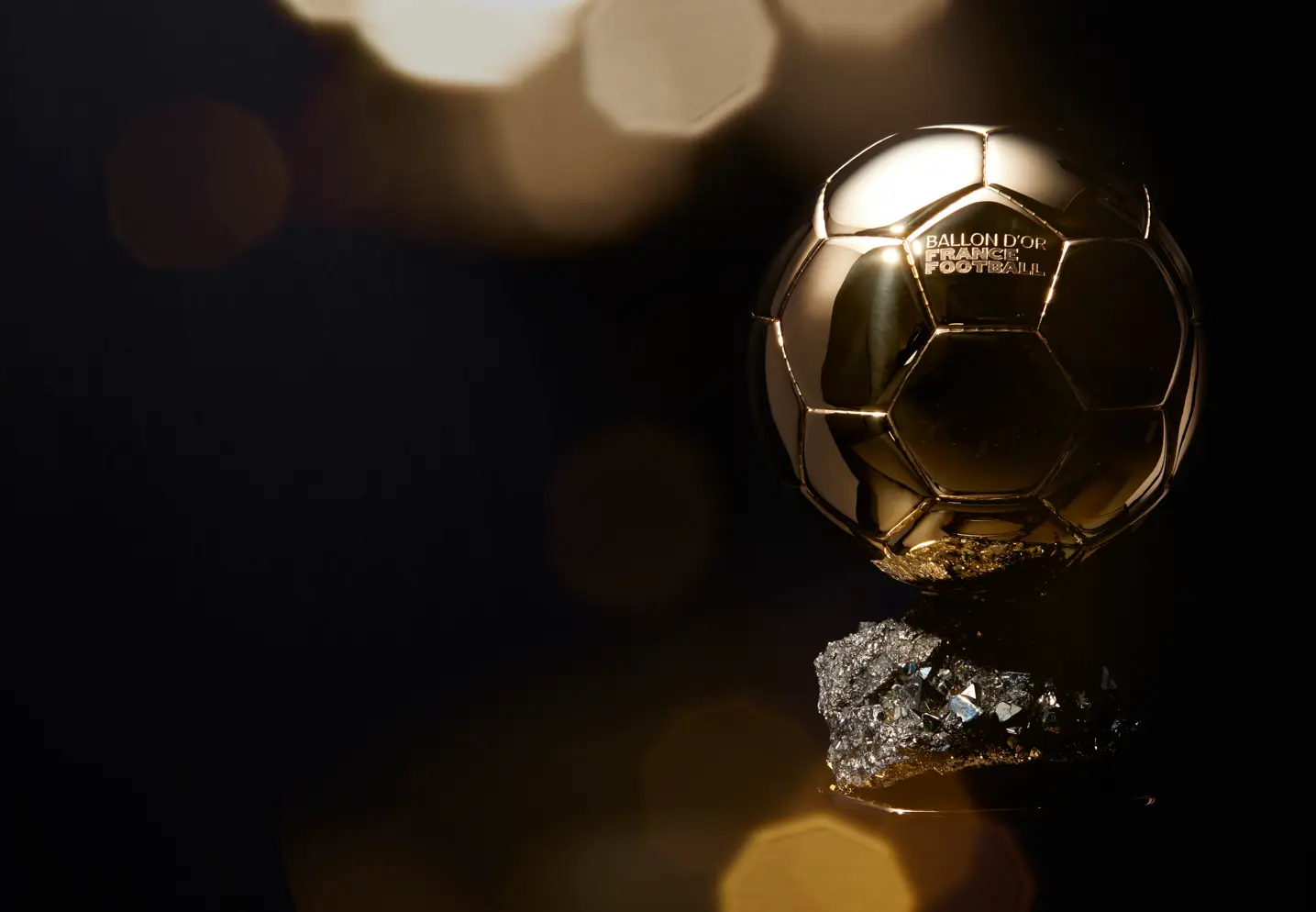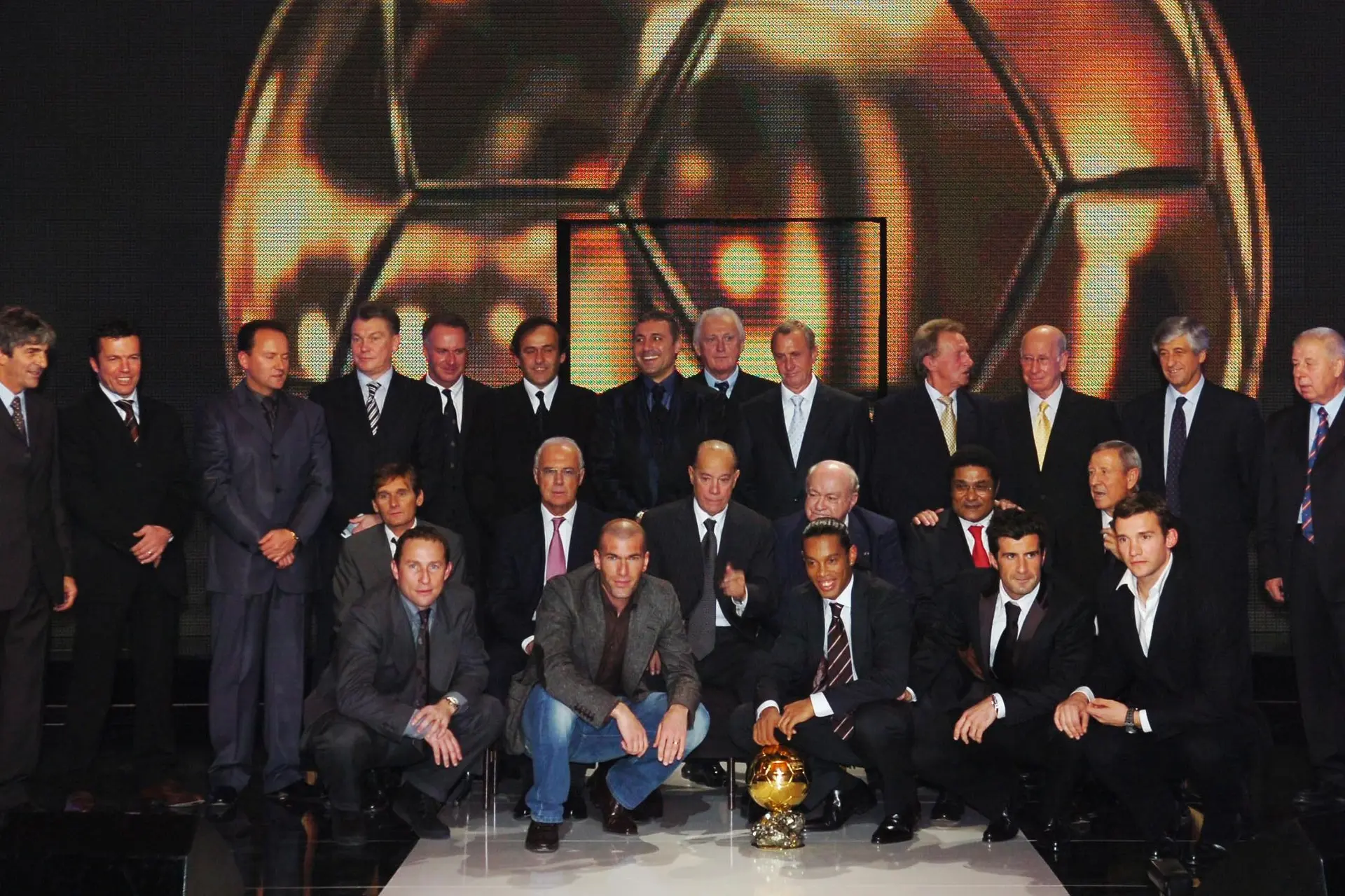
A history spanning generations
In total, 67 different national teams have been represented by Ballon d'Or nominees since the award's inaugural edition in 1956.
In 2026 alone, 15 different national teams had at least one representative among the men's Ballon d'Or nominees.

To find out who has achieved the best results for each country, we analysed every men's Ballon d'Or nominee since 1956. We identified the national teams each player represented at the time and selected those who reached the highest positions in the rankings.
The nations are listed in alphabetical order. It is worth noting that the list includes several national teams that no longer exist.
The highest-placed players by country
Albania – Sokol Kushta (30th place in 1987)
Algeria – Riyad Mahrez (7th place in 2016)
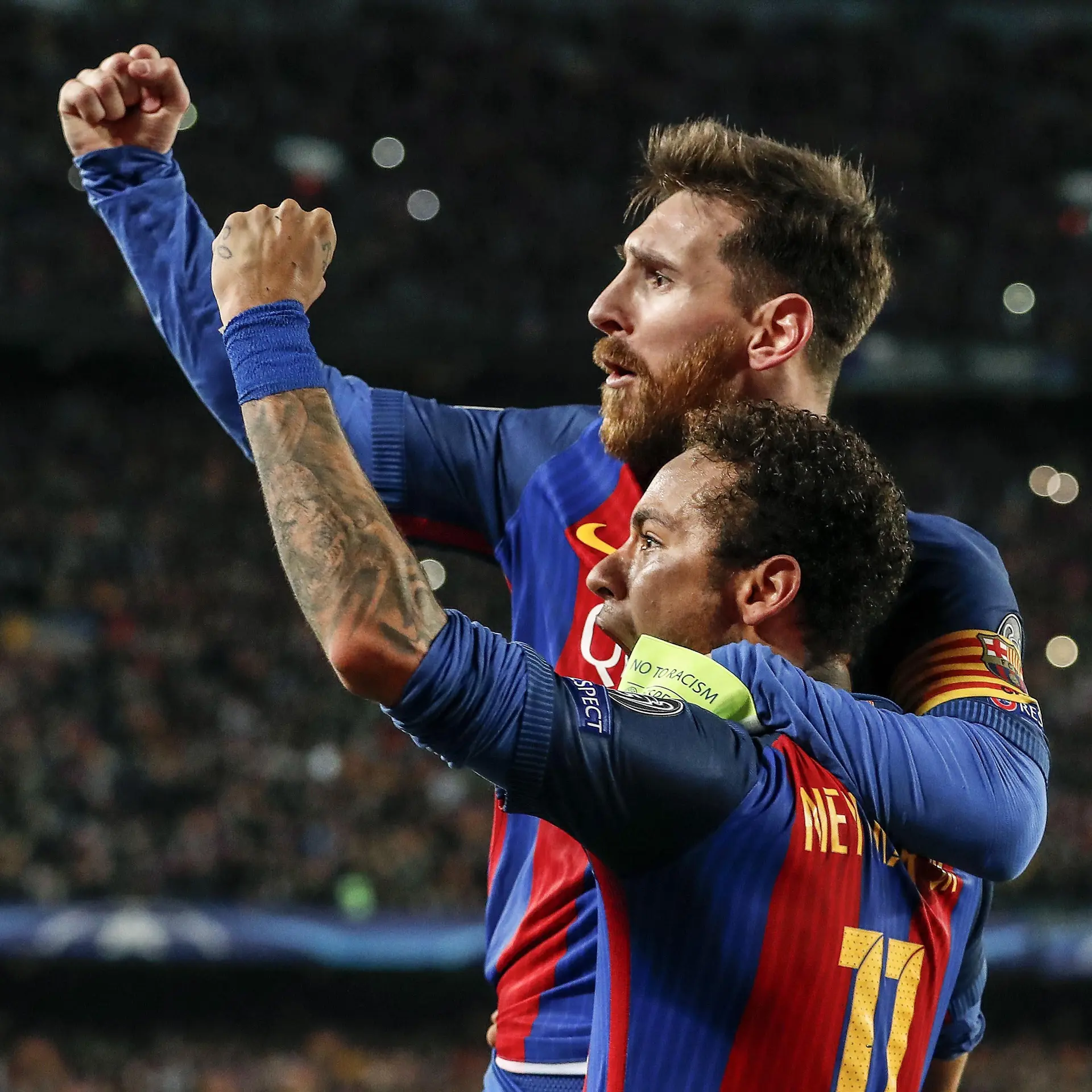
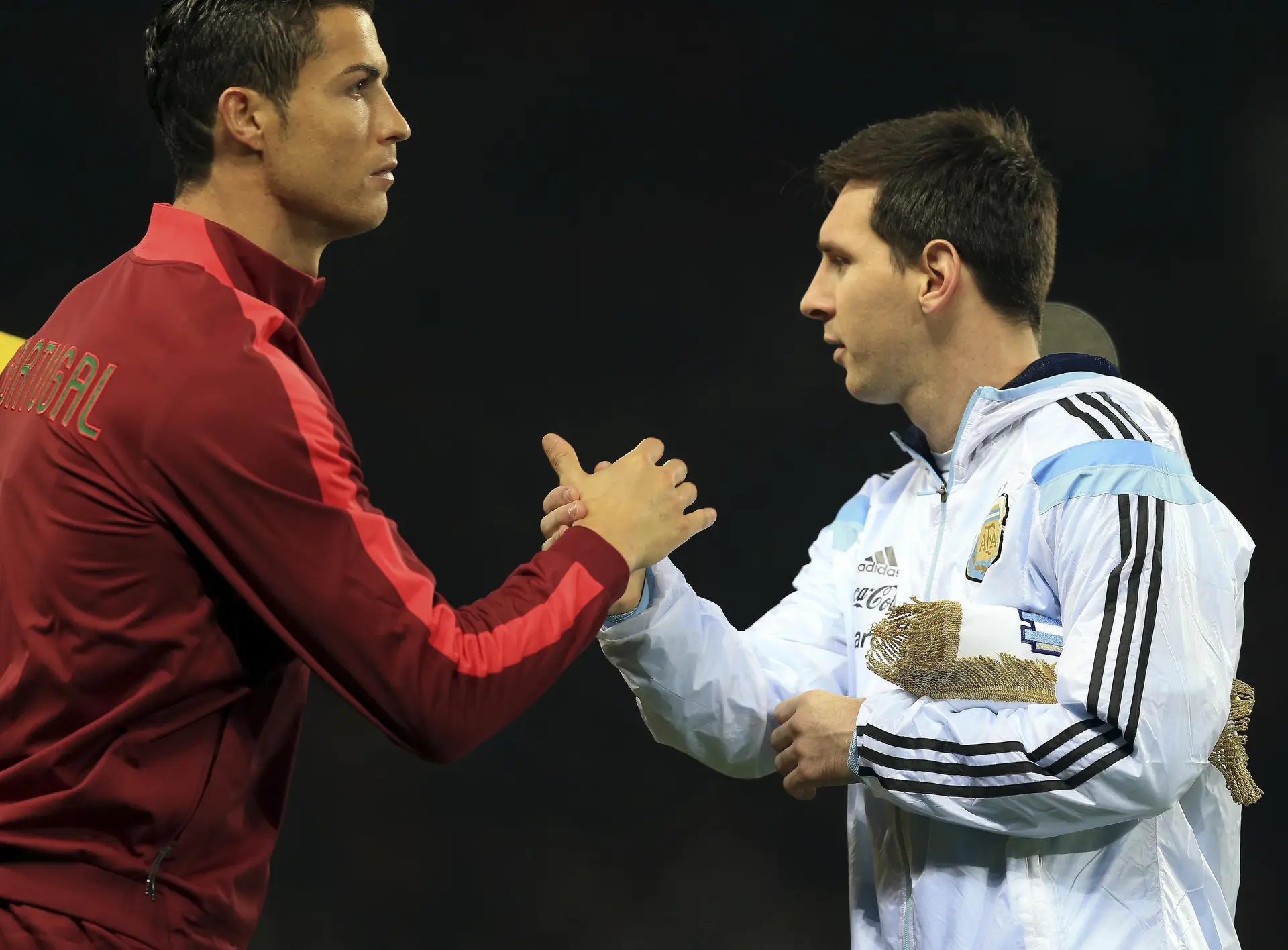
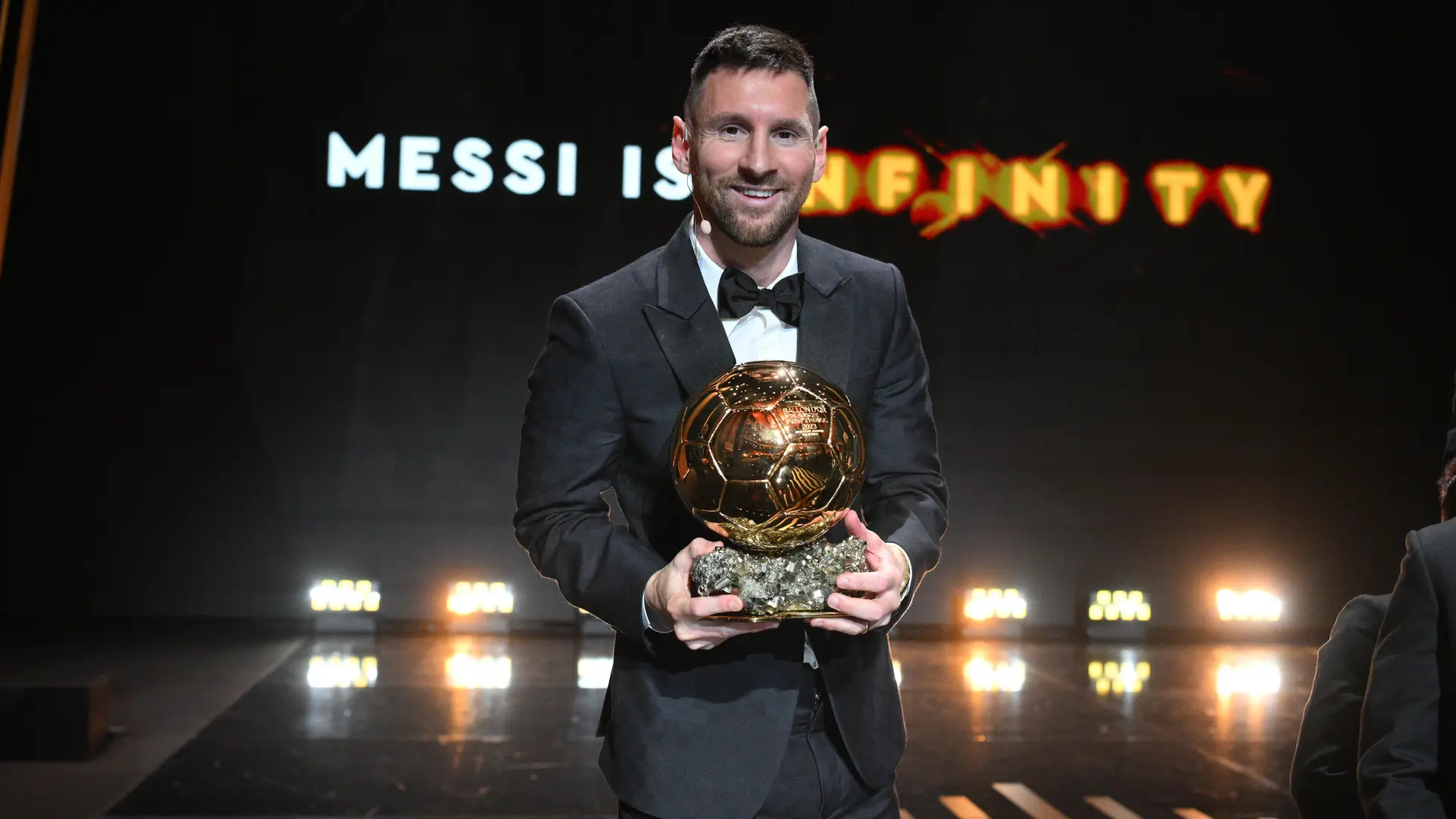
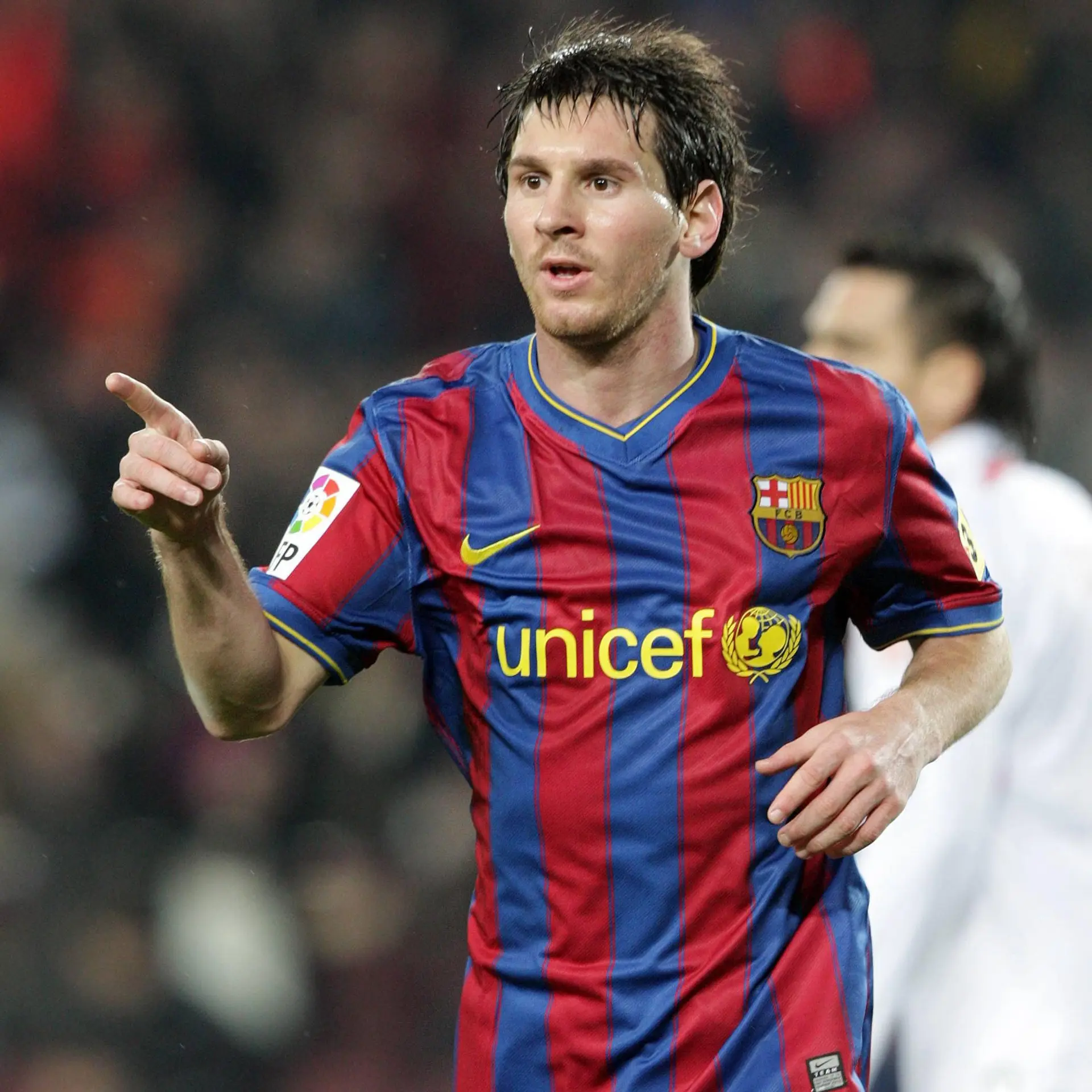
Argentina – Lionel Messi (winner in 2009, 2010, 2011, 2012, 2015, 2019, 2021 and 2023)
Australia – Harry Kewell (28th place in 2001)
Austria – Hans Krankl (2nd place in 1978)
Belgium – Kevin De Bruyne (3rd place in 2022)
Bosnia and Herzegovina – Edin Džeko (13th place in 2009)
Brazil – Ronaldo (winner in 1997 and 2002), Rivaldo (winner in 1999), Ronaldinho (winner in 2005) and Kaká (winner in 2007)
Bulgaria – Hristo Stoichkov (winner in 1994)
Cameroon – Samuel Eto’o (5th place in 2009)
Chad – Japhet N’Doram (nominated but received no votes in 1995)
Chile – Alexis Sánchez (10th place in 2015)
Colombia – Radamel Falcao (5th place in 2012)
Croatia – Luka Modrić (winner in 2018)
Czechoslovakia – Josef Masopust (winner in 1962)
Czech Republic – Pavel Nedvěd (winner in 2003)
Denmark – Allan Simonsen (winner in 1977)
East Germany – Jürgen Sparwasser (10th place in 1974)
Ecuador – Willian Pacho (winner in 2026)
Egypt – Mohamed Salah (4th place in 2025)
England – Stanley Matthews (winner in 1956), Bobby Charlton (winner in 1966), Kevin Keegan (winner in 1978 and 1979), Michael Owen (winner in 2001) and Harry Kane (winner in 2026)
Finland – Jari Litmanen (3rd place in 1995)
France – Raymond Kopa (winner in 1958), Michel Platini (winner in 1983, 1984 and 1985), Jean-Pierre Papin (winner in 1991), Zinedine Zidane (winner in 1998), Karim Benzema (winner in 2022) and Ousmane Dembélé (winner in 2025)
Gabon – Pierre-Emerick Aubameyang (11th place in 2016)
Georgia – Khvicha Kvaratskhelia (6th place in 2026)
Germany – Lothar Matthäus (winner in 1990) and Matthias Sammer (winner in 1996)
Ghana – Asamoah Gyan (18th place in 2010)
Greece – Theodoros Zagorakis (5th place in 2004)
Guinea – Serhou Guirassy (21st place in 2025)
Hungary – Flórián Albert (winner in 1967)
Iraq – Younis Mahmoud (29th place in 2007)
Ireland – Roy Keane (6th place in 1999)
Italy – Omar Sívori (winner in 1961), Gianni Rivera (winner in 1969), Paolo Rossi (winner in 1982), Roberto Baggio (winner in 1993) and Fabio Cannavaro (winner in 2006)
Ivory Coast – Didier Drogba (4th place in 2007)
Japan – Hidetoshi Nakata (28th place in 2001)
Liberia – George Weah (winner in 1995)
Luxembourg – Louis Pilot (18th place in 1969)
Mali – Frédéric Kanouté (11th place in 2007)
Mexico – Julián Quiñones (28th place in 2026)
Morocco – Achraf Hakimi (6th place in 2025)
Netherlands – Johan Cruyff (winner in 1971, 1973 and 1974), Ruud Gullit (winner in 1987) and Marco van Basten (winner in 1988, 1989 and 1992)
Nigeria – Victor Osimhen (8th place in 2023)
Northern Ireland – George Best (winner in 1968)
Norway – Erling Haaland (2nd place in 2023)
Poland – Robert Lewandowski (2nd place in 2021)
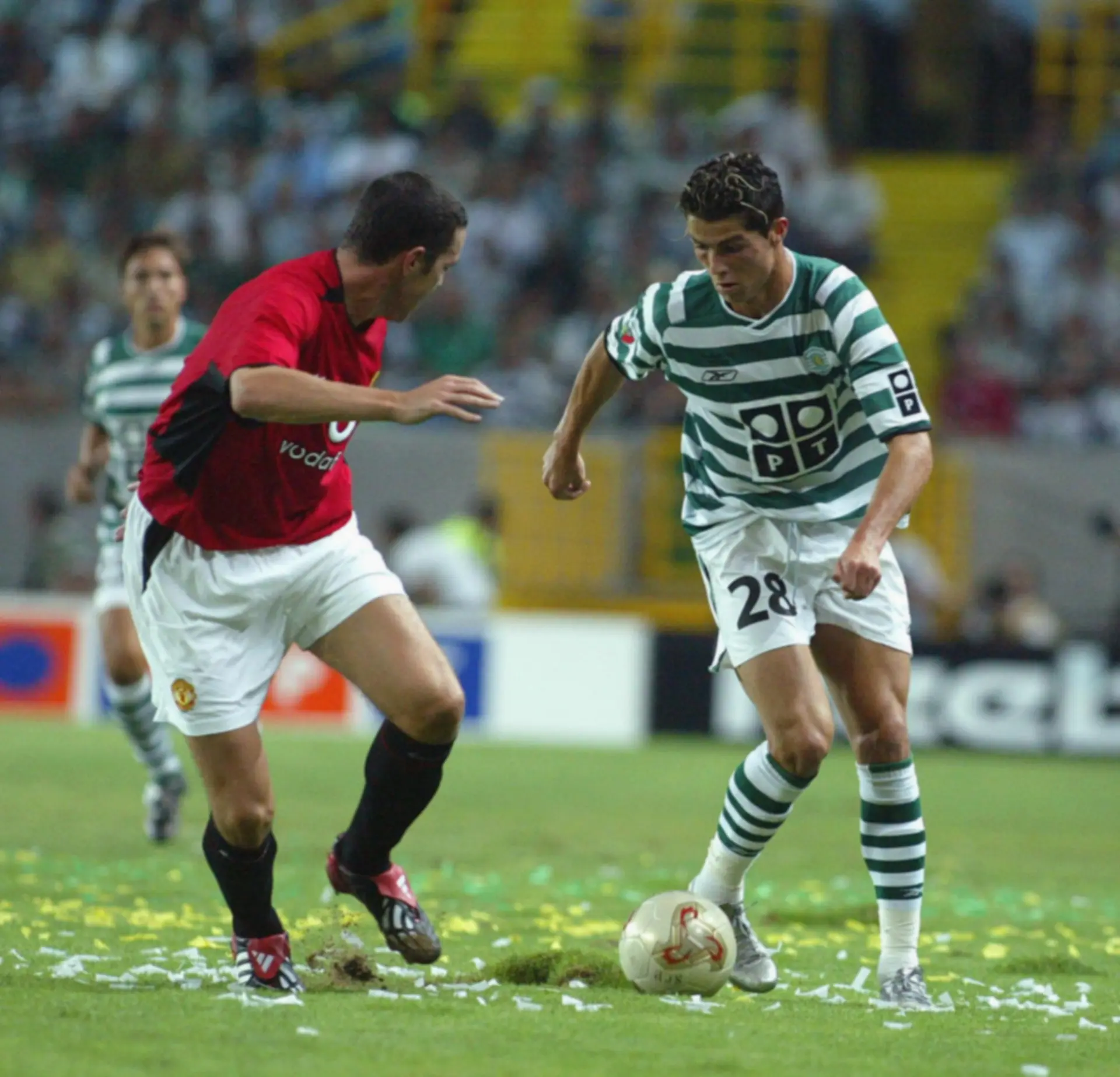
Portugal – Eusébio (winner in 1965), Luís Figo (winner in 2000) and Cristiano Ronaldo (winner in 2008, 2013, 2014, 2016 and 2017)
Romania – Gheorghe Hagi (4th place in 1994)
Russia – Andrey Arshavin (6th place in 2008)
Scotland – Denis Law (winner in 1964)
Senegal – Sadio Mané (2nd place in 2022)
Serbia – Nemanja Vidić (16th place in 2009)
Serbia and Montenegro – Savo Milošević (nominated but received no votes in 2000) and Darko Kovačević (nominated but received no votes in 2003)
Slovenia – Zlatko Zahovič (12th place in 2000)
South Korea – Son Heung-Min (11th place in 2022)
Soviet Union – Lev Yashin (winner in 1963), Oleg Blokhin (winner in 1975) and Igor Belanov (winner in 1986)
Spain – Alfredo Di Stéfano (winner in 1957 and 1959), Luis Suárez (winner in 1960) and Rodri (winner in 2024)
Sweden – Kurt Hamrin (4th place in 1958) and Ove Kindvall (4th place in 1969)
Switzerland – Stéphane Chapuisat (9th place in 1992 and 1993)
Togo – Emmanuel Adebayor (12th place in 2008)
Trinidad and Tobago – Dwight Yorke (11th place in 1999)
Tunisia – Hatem Trabelsi (nominated but received no votes in 2003)
Turkey – Yıldıray Baştürk (9th place in 2002)
Ukraine – Andriy Shevchenko (winner in 2004)
Uruguay – Diego Forlán (5th place in 2010) and Luis Suárez (5th place in 2015)
Wales – John Charles (3rd place in 1959)
West Germany – Gerd Müller (winner in 1970), Franz Beckenbauer (winner in 1972 and 1976) and Karl-Heinz Rummenigge (winner in 1980 and 1981)
Yugoslavia – Dejan Savićević (2nd place in 1991), Darko Pančev (2nd place in 1991) and Predrag Mijatović (2nd place in 1997)
67 national teams, one footballing history
From legends such as Lionel Messi and Cristiano Ronaldo to players who defined earlier generations, the Ballon d'Or brings together talent from every corner of the world.
Some reached the very top, others came within touching distance of glory, and many helped shape the history of their national teams. Ultimately, every position represents more than just a number: it is recognition of a player's achievements and their place in football history.