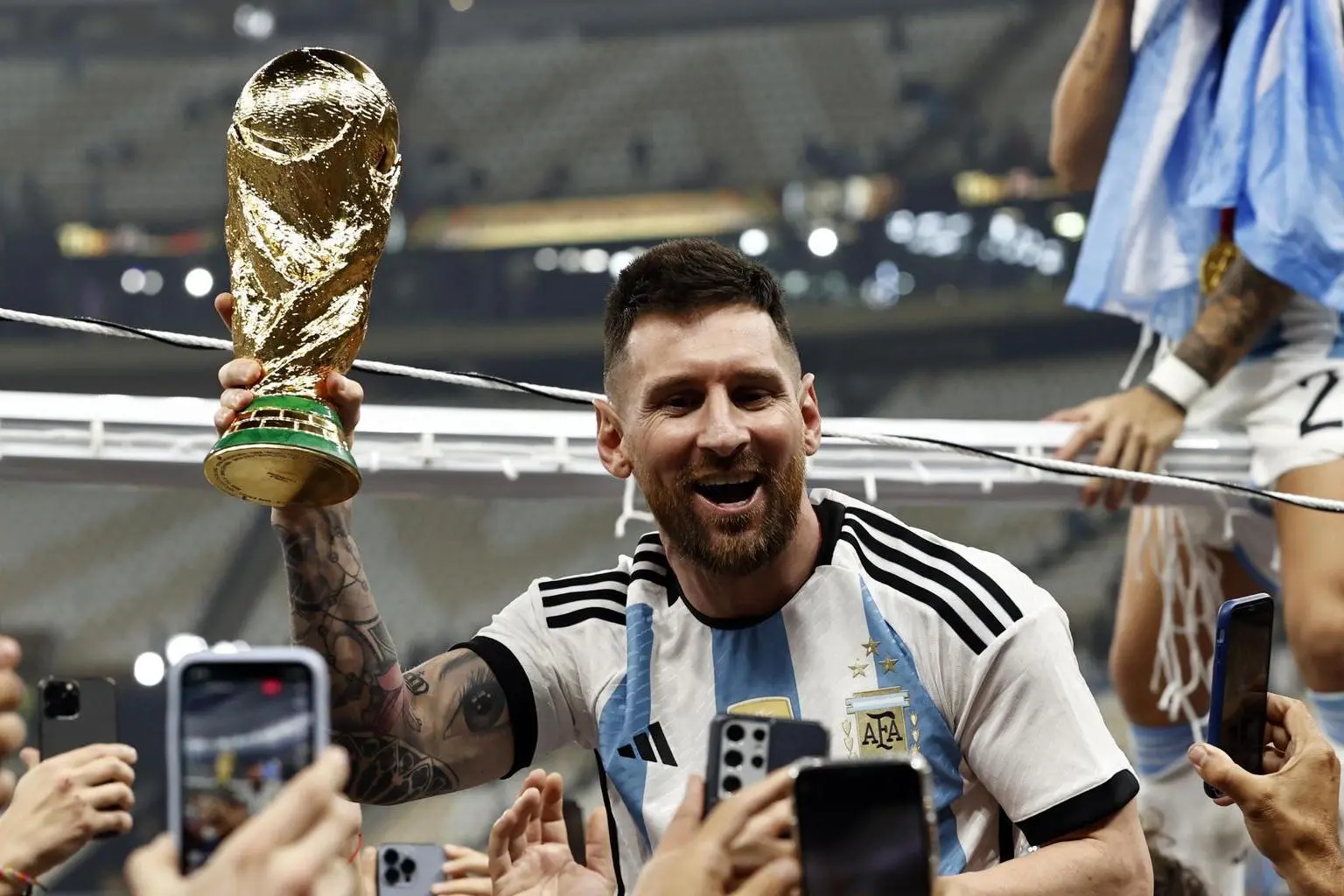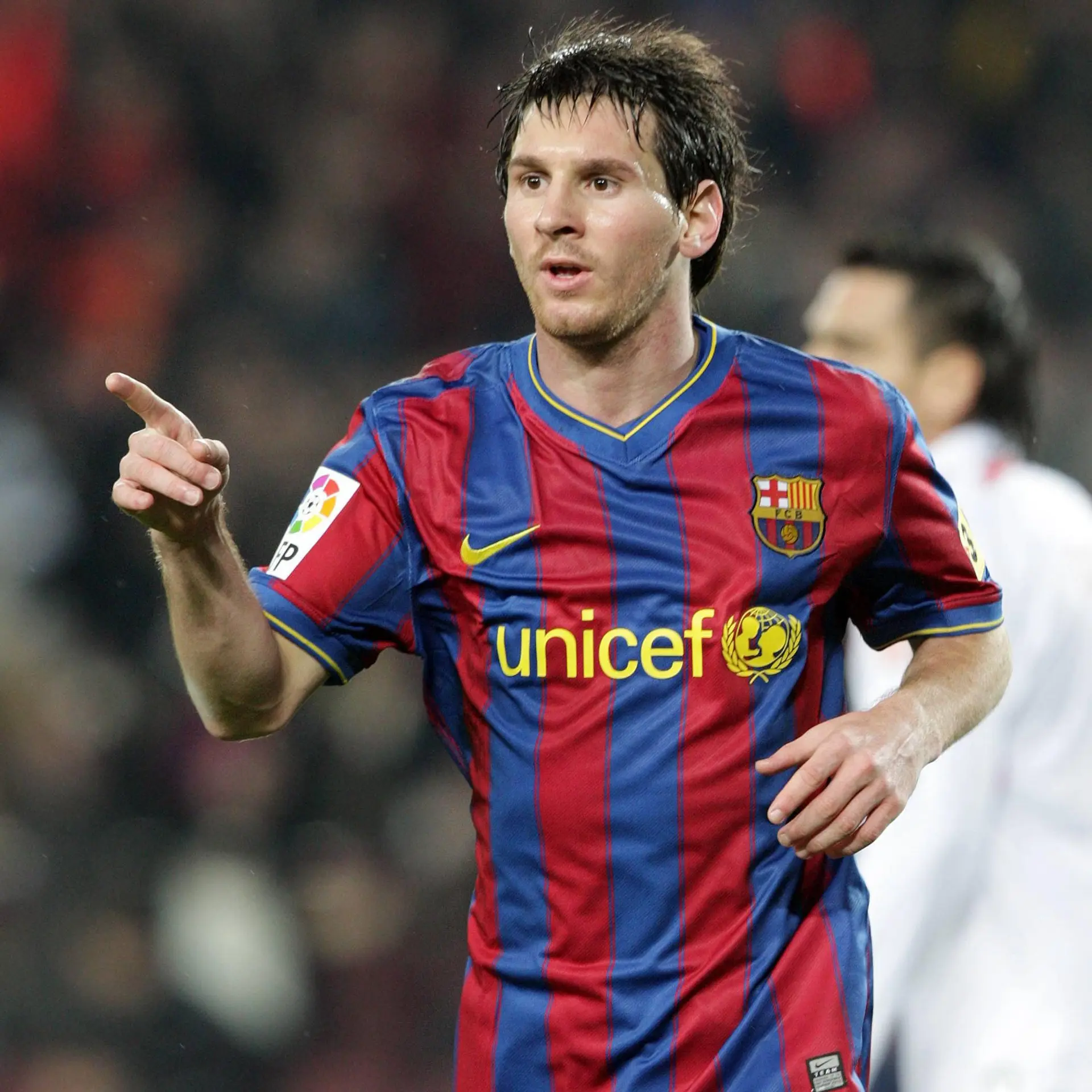
Over the course of seven decades, 48 footballers have won the Ballon d'Or, etching their names amongst the world’s very best.
However, before achieving this golden glory, many of these legends took their first steps far from the spotlight, in the most unexpected corners of the globe.

When we look into which team each player made their debut for, we find a map that brings together European giants, promotion-chasing clubs, South American youth academies and modest local teams.
Only six clubs feature more than once on the list: Bayern Munich leads the way with three future winners, followed by Ajax, Dynamo Kyiv, Manchester United, River Plate and Sporting CP, with two each.
The rest of the winners were spread across 35 different clubs, including some rather unusual sides and clubs that no longer exist today.
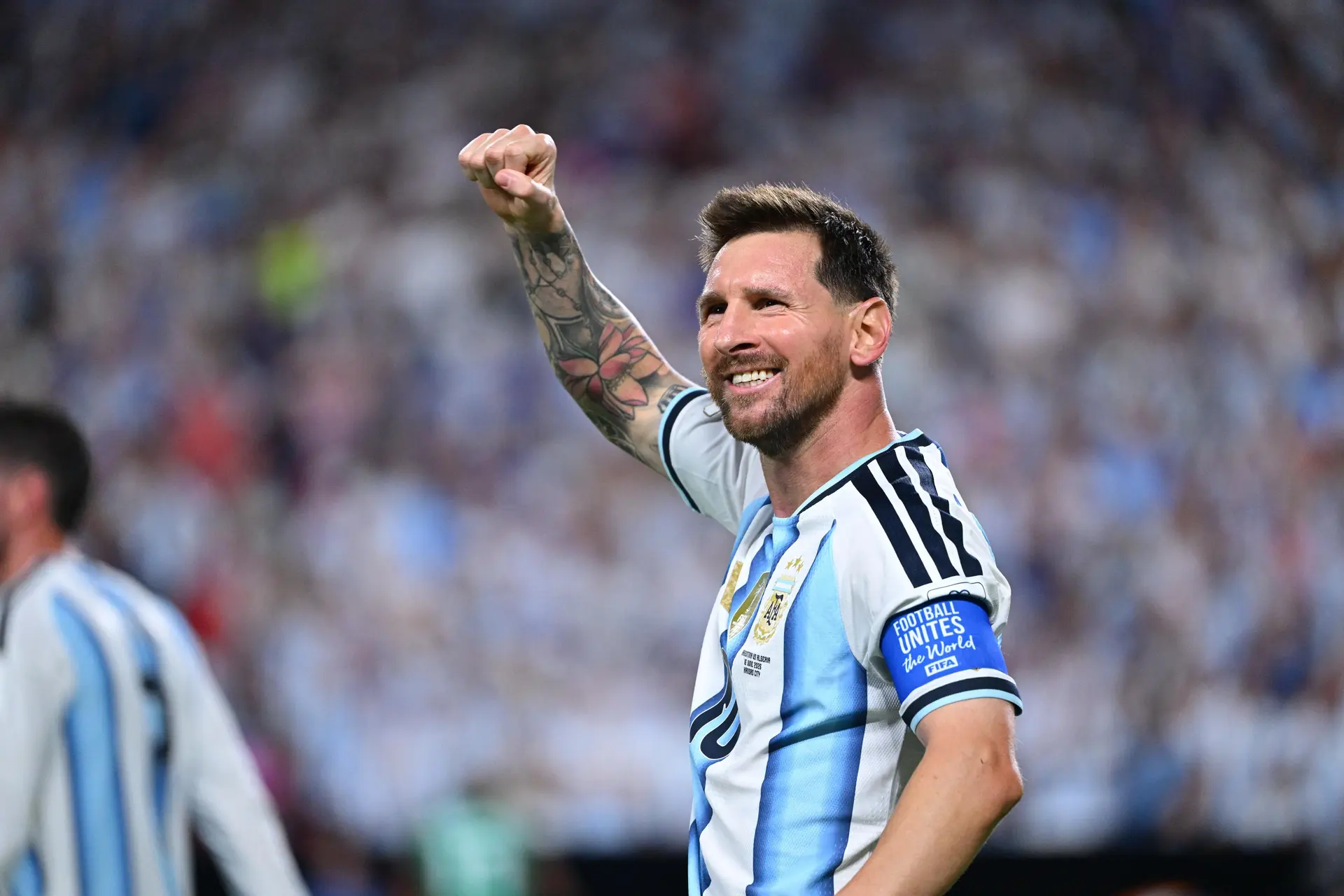
Who is the surprise player Lionel Messi voted for in the Young Talent of the Year award?
Lionel Messi, like the other Ballon d’Or winners, cast his vote to select the Young Talent of the Year. Whilst Lamine Yamal won the award for the third time on 26 October in London, the rest of the Argentine’s vote was more surprising.
Clarification on the criteria
To ensure historical accuracy, this list is based on the club for which each player made his first official appearance as a professional or in a senior league.
In cases where the player already belonged to another club but made his debut whilst on loan (such as Harry Kane or Luka Modrić), the team where he made his debut is listed alongside the relevant clarification.
With all this in mind, it is time to discover which were the ‘first clubs’ in the professional careers of our 48 winners of the men’s Ballon d'Or.
The first clubs of the Ballon d'Or winners
-
Ajax (Netherlands): Johan Cruyff and Marco van Basten.
-
Alessandria (Italy): Gianni Rivera.
-
Angers (France): Raymond Kopa.
-
Bayern Munich (Germany): Franz Beckenbauer, Karl-Heinz Rummenigge and Gerd Müller.
-
Borussia Mönchengladbach (Germany): Lothar Matthäus.
-
Cannes (France): Zinedine Zidane.
-
Cruzeiro (Brazil): Ronaldo Nazário.
-
Deportivo La Coruña (Spain): Luis Suárez Miramontes.
-
Dukla Prague (Czech Republic): Pavel Nedvěd (previously trained at Škoda/Viktoria Plzeň).
-
Dynamo Dresden (Germany): Matthias Sammer.
-
Dynamo Kyiv (Ukraine): Oleg Blokhin and Andriy Shevchenko.
-
Dynamo Moscow (Russia): Lev Yashin.
-
FC Barcelona (Spain): Lionel Messi.
-
Ferencváros (Hungary): Flórián Albert.
-
Grêmio (Brazil): Ronaldinho.
-
Haarlem (Netherlands): Ruud Gullit.
-
Hebros Harmanli (Bulgaria): Hristo Stoichkov (who previously trained with the factory team FC Yuri Gagarin).
-
Huddersfield Town (England): Denis Law.
-
Juventus (Italy): Paolo Rossi
-
Leyton Orient (England): Harry Kane (on loan from Tottenham Hotspur).
-
Liverpool (England): Michael Owen.
-
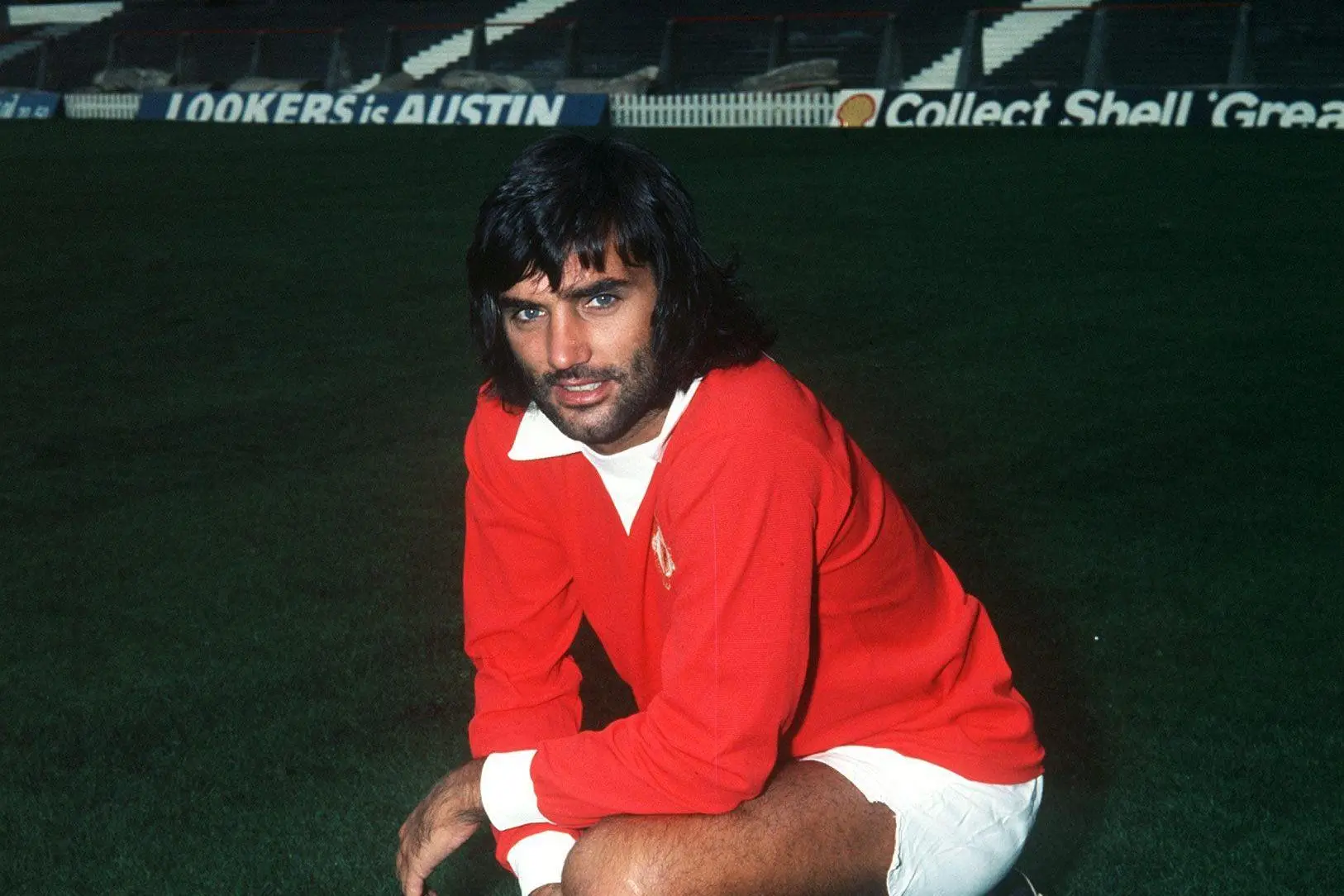
Manchester United (England): Bobby Charlton and George Best.
-
Nancy (France): Michel Platini.
-
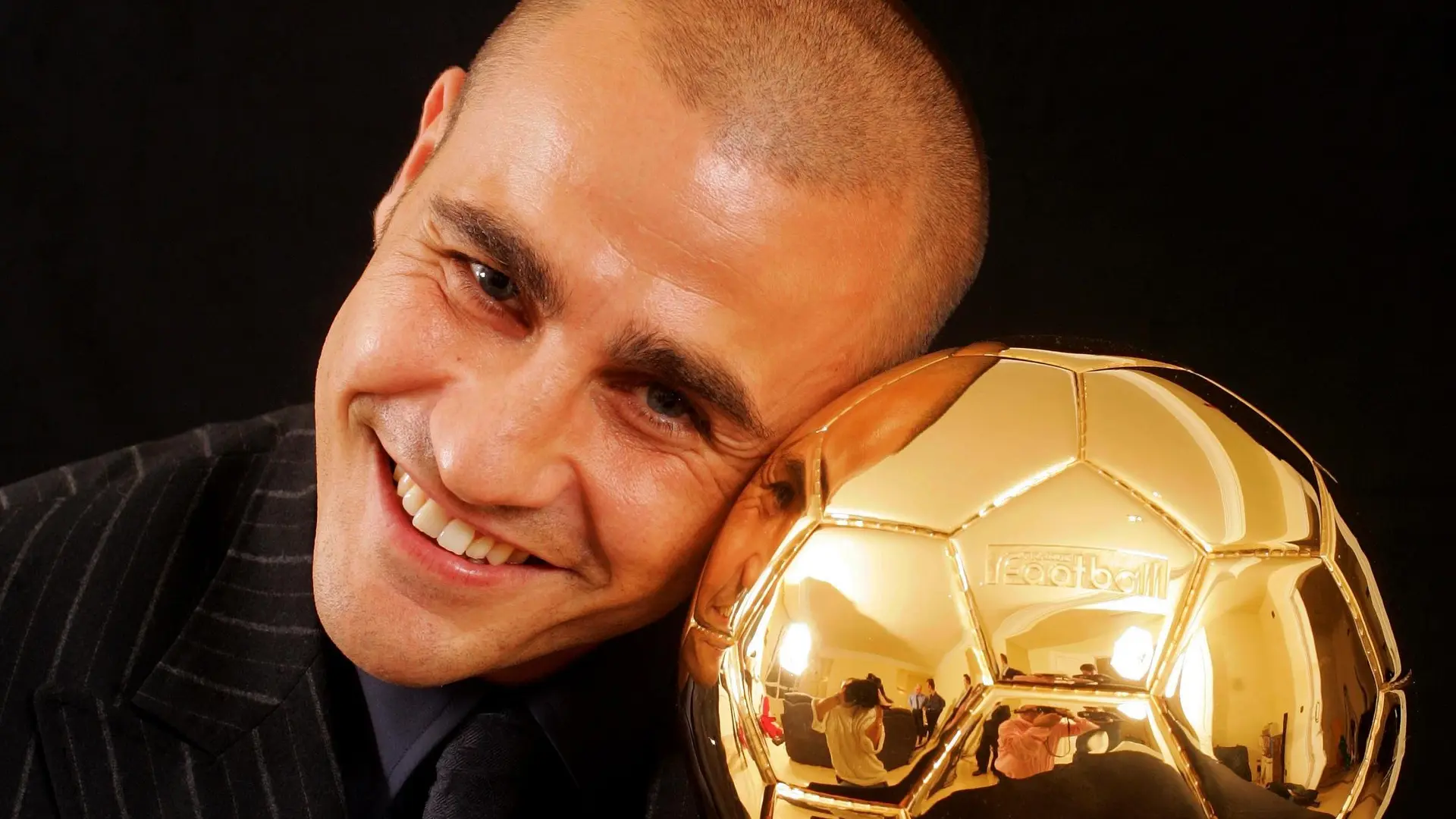
Napoli (Italy): Fabio Cannavaro.
-
Olympique Lyonnais (France): Karim Benzema.
-
River Plate (Argentina): Alfredo Di Stéfano and Omar Sívori.
-
Santa Cruz (Brazil): Rivaldo.
-
São Paulo (Brazil): Kaká.
-
Scunthorpe United (England): Kevin Keegan.
-
SKA Odessa (Ukraine): Igor Belanov.
-
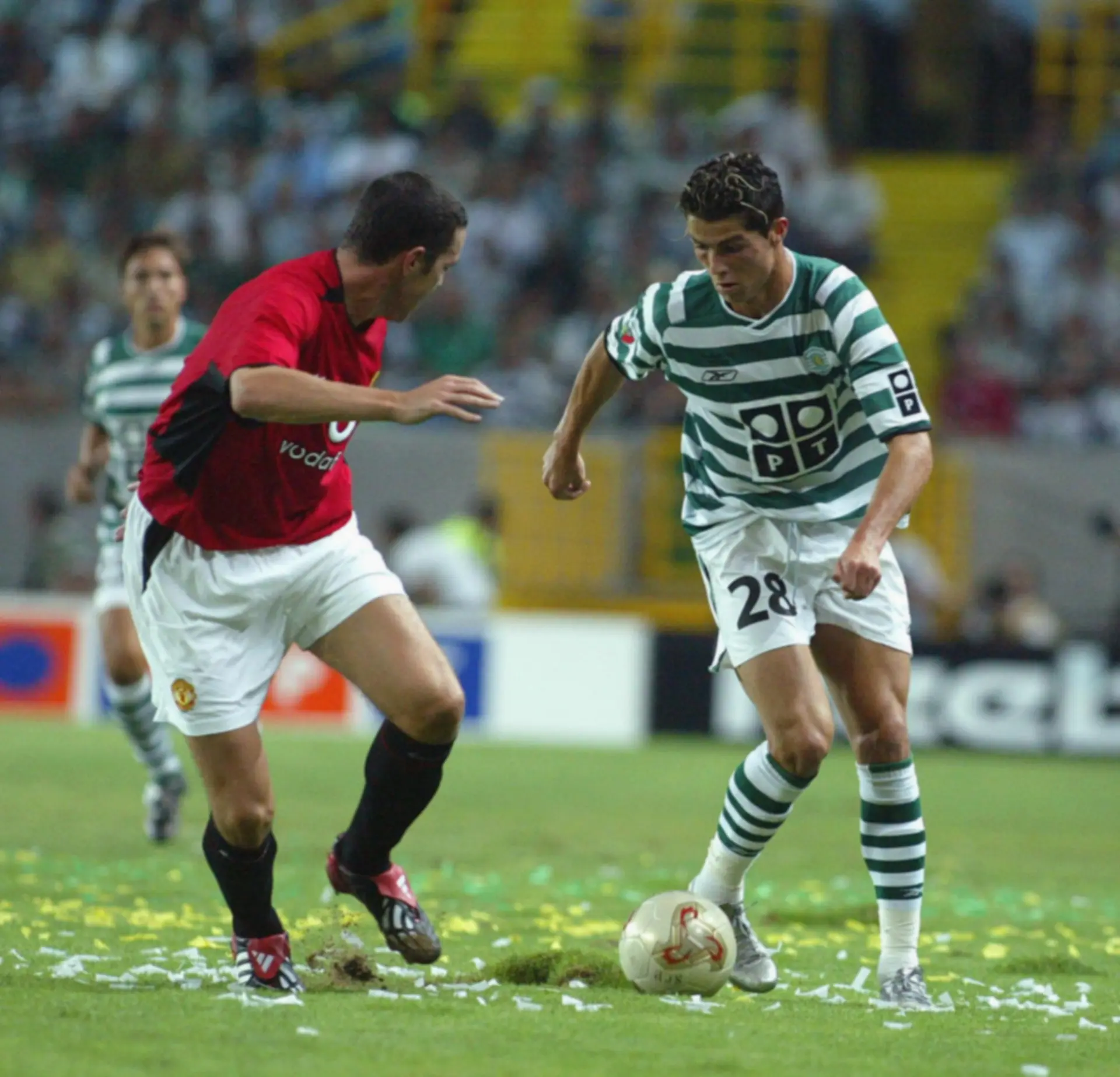
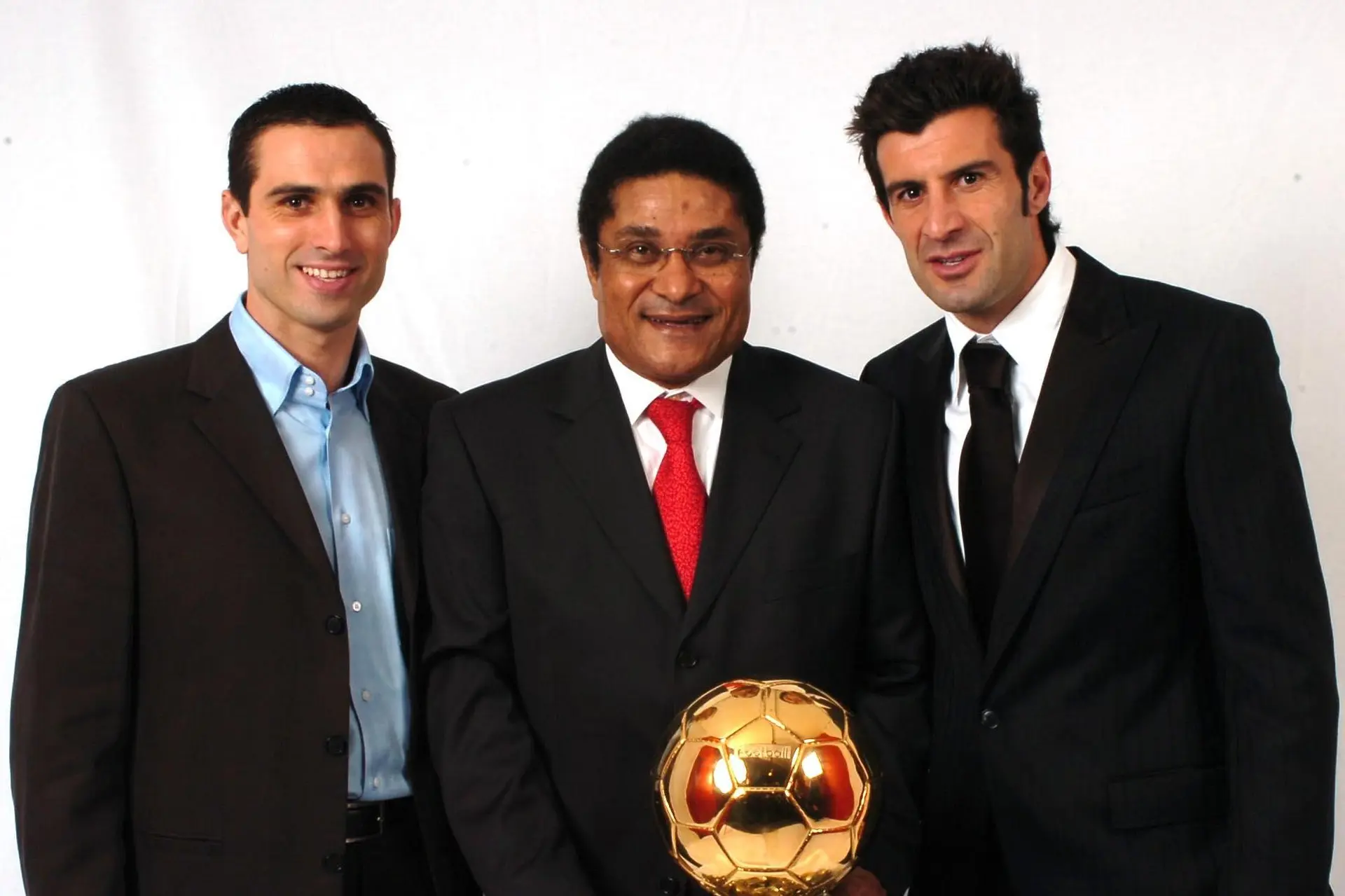
Sporting CP (Portugal): Luís Figo and Cristiano Ronaldo.
-
Sporting de Lourenço Marques / Maxaquene (Mozambique): Eusébio
-
Stade Rennais (France): Ousmane Dembélé.
-
Stoke City (England): Stanley Matthews.
-
Valenciennes (France): Jean-Pierre Papin (previously trained at the INF Vichy federation centre).
-
Vejle (Denmark): Allan Simonsen.
-
Vicenza (Italy): Roberto Baggio.
-
Villarreal (Spain): Rodri.
-
Vodotechna Teplice (Czech Republic): Josef Masopust.
-
Young Survivors (Liberia): George Weah.
-
Zrinjski Mostar (Bosnia and Herzegovina): Luka Modrić (who was on loan from Dinamo Zagreb).
All these clubs played a key role in the development and progression of the Ballon d'Or winners throughout their professional careers.
Which other team will join the list in 2027?
If you think there are any errors in our research, please email [email protected].