The end of two historic eras
In the first matches of the post-Messi and post-Cristiano era, Argentina and Portugal struggled to find their rhythm and suffered surprising defeats over the last two days.
The two stars announced their retirements from international football this year, having etched their names into the history of their respective countries and become true national icons.

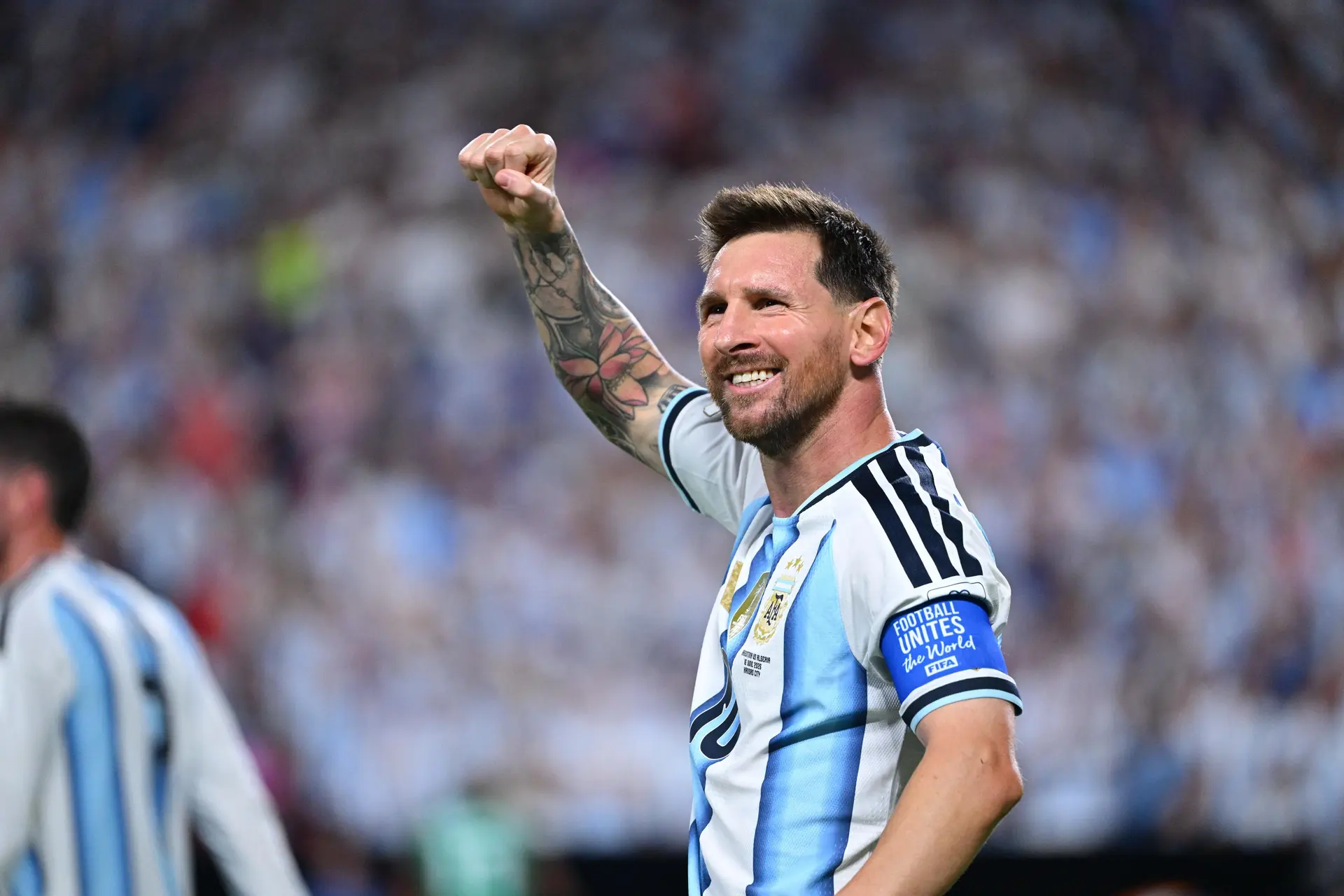
Lionel Messi announced his retirement from the Argentina national team on 31 August and played his final match in the Albiceleste shirt on 6 October. In total, he scored 126 goals in 208 matches for Argentina and led the country to two Copa América titles and, of course, to World Cup glory.
Throughout his career, he received 17 Ballon d'Or nominations and won the trophy eight times, a record.
Cristiano Ronaldo, for his part, announced his retirement from the Portuguese national team on 5 November, having played his final match for his country on 24 September. He scored 146 goals in 234 matches for Portugal, as well as playing a key role in the national team’s first major title, the 2016 European Championship, and in winning two editions of the Nations League.
The Portuguese player received 18 Ballon d'Or nominations and won the trophy five times.
For almost two decades, Messi and Cristiano were far more than just the star players of their national teams. They were leaders, role models and the faces of some of the greatest achievements in their countries’ histories. That is why the absence of both is already beginning to be felt.
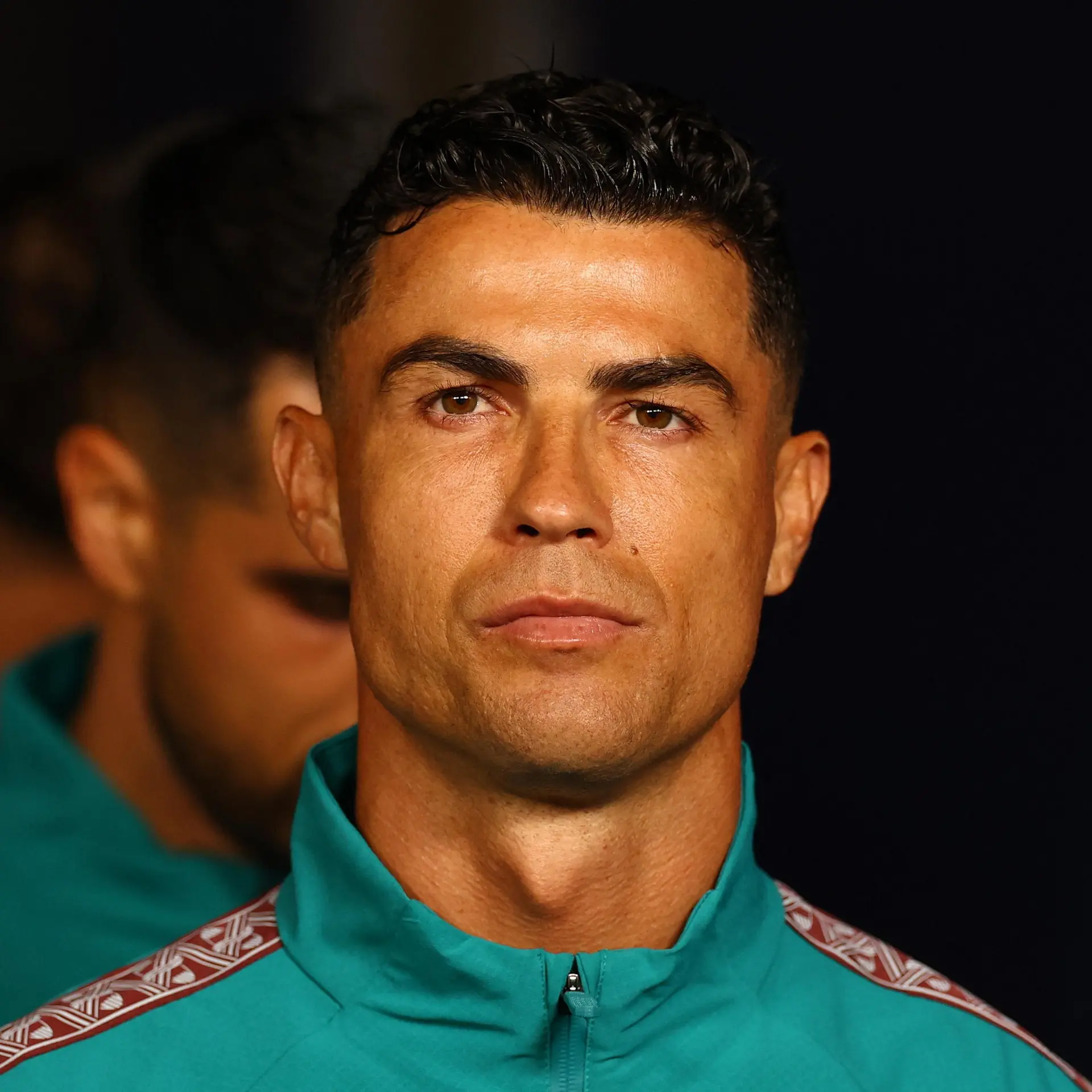
Who will be Portugal’s new captain following Cristiano Ronaldo’s farewell?
A player with Ballon d'Or experience will be tasked with wearing the captain’s armband following CR7’s international retirement.
Without Messi, Argentina lost against Uruguay
On Friday (13 November), at the iconic La Bombonera stadium in Buenos Aires, Uruguay beat Argentina 2–1, securing their first victory over their rivals since 2023.
The friendly marked not only Argentina’s first match since Messi’s retirement, but also a new chapter for manager Lionel Scaloni, who has extended his contract until 2030.
The man responsible for leading the team to their historic 2022 World Cup triumph, Scaloni saw his side get off to a good start but lose control of the match in the second half.
Three minutes into the second half, a free-kick from Giorgian De Arrascaeta was accidentally deflected into his own net by Argentine defender Leonardo Balerdi. Just five minutes later, the Uruguayan was again involved in a decisive move, which ended with Maxi Araújo finding the back of the net.
Julián Álvarez, a Ballon d'Or nominee in 2023, pulled one back for Argentina in the 28th minute of the second half.
Despite dominating possession with 72 per cent and having twice as many shots on target as their opponents, Argentina were unable to avoid defeat. Uruguay defended well and secured an important victory.
It was Diego Forlán’s third consecutive win in charge of the Uruguayan national team. He took over the role in August, replacing Marcelo Bielsa.
As a player, Forlán was one of the country’s greatest football stars and received four Ballon d'Or nominations.
For Argentina, the result marked their first setback in their attempt to move forward without their greatest idol. The 22-year-old Nico Paz, of Como, even showed his potential as a possible successor to Messi, but the legendary number 10 shirt remained unassigned, as a mark of respect until a permanent replacement is chosen.
Who is the surprise player Lionel Messi voted for in the Young Talent of the Year award?
Lionel Messi, like the other Ballon d’Or winners, cast his vote to select the Young Talent of the Year. Whilst Lamine Yamal won the award for the third time on 26 October in London, the rest of the Argentine’s vote was more surprising.
Portugal also stumble without Cristiano
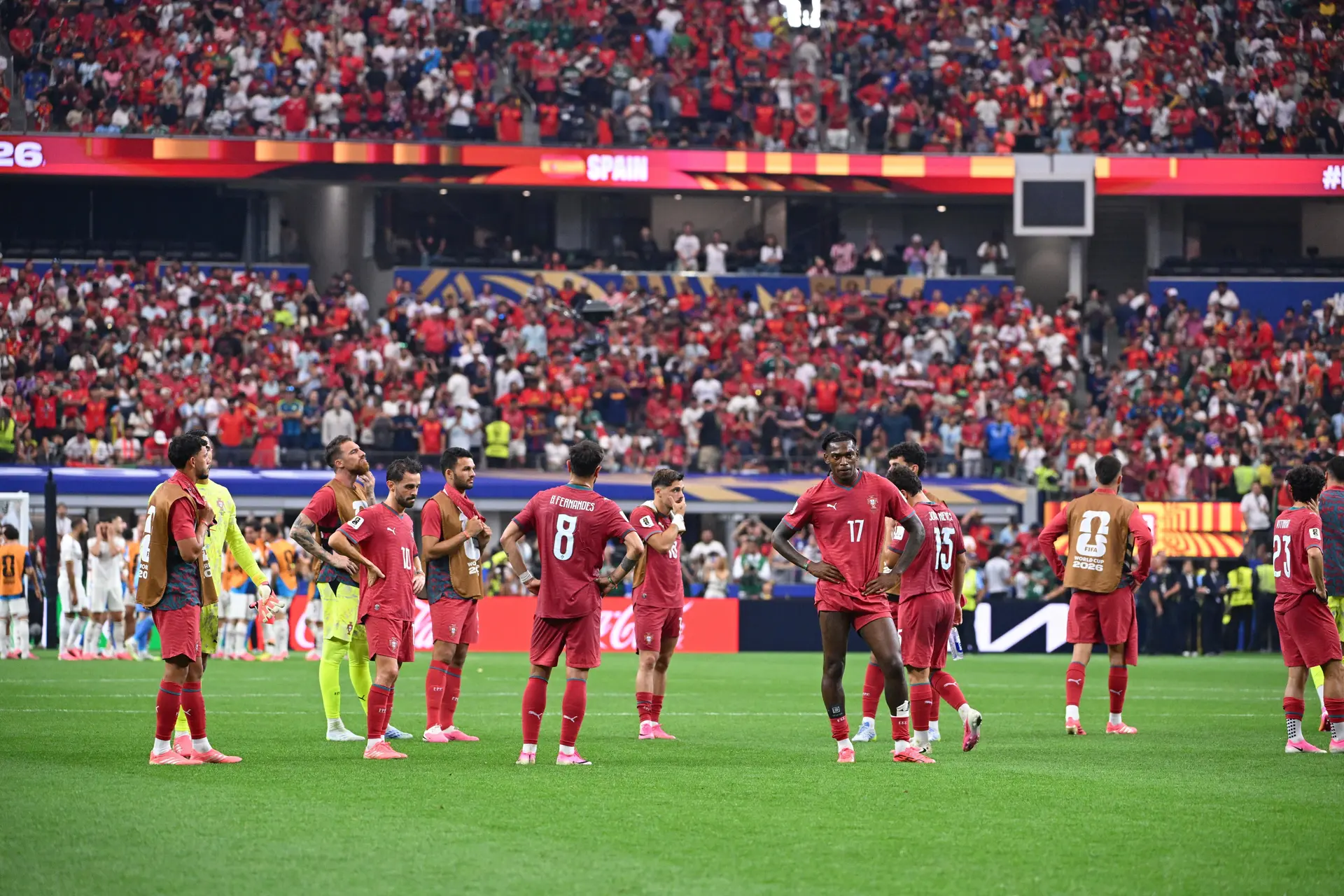
On Saturday (14 November), it was Portugal’s turn to face the reality of a team without Cristiano Ronaldo.
As the announcement of his retirement came more recently than Messi’s, the decision still came as a surprise to many fans. For this reason, the match against Denmark held special significance.
The Braga Municipal Stadium hosted the match in a farewell atmosphere.
As the Portuguese Football Federation cannot officially retire the number 7 shirt, it decided to alter its design for the future, adding a horizontal line to preserve CR7’s iconic number as we know it.
Although the number 7 shirt was handed to the young Club Brugge striker Carlos Forbs, all the Portuguese players took to the pitch with Ronaldo’s number and name printed on their shirts.
Seven minutes into the first half, the fans made a point of paying tribute to their idol once again. Whilst the stadium applauded, the scoreboard displayed the message: ‘Thank you, captain’.
But after the tributes, Portugal had a night to forget.
Without the player who for so many years epitomised the country’s football, the 2016 European Championship-winning side failed to produce the kind of football their supporters have become accustomed to in recent years. The result was a crushing 4–1 defeat to Denmark.
Pierre-Emile Højbjerg opened the scoring from the penalty spot in the 43rd minute.
In the second half, Rasmus Højlund scored twice in the space of just ten minutes, before Joachim Andersen rounded off the rout.
Bernardo Silva, a three-time Ballon d'Or nominee, did score in stoppage time to reduce the deficit, but was unable to prevent Portugal’s disappointment.
Until then, Portugal had maintained a perfect record at the top of Group A4 in the Nations League under Jorge Jesus. The defeat brought that run to an end, but did not prevent them from qualifying for the quarter-finals, which had already been secured thanks to their previous results.
The legacy remains, and the future awaits
The first results without Messi and Cristiano Ronaldo highlight the scale of the challenge facing Argentina and Portugal. After all, it is not simply a matter of replacing two great players, but of finding new leaders capable of shouldering the burden of representing their countries following two of the most extraordinary careers in the history of football.
Messi took Argentina back to the top of the world and fulfilled the dream of a nation that had waited decades for another World Cup.
Cristiano transformed Portugal into an international powerhouse, leading the national team to the first major titles in its history.
Together, they have amassed records, achievements and moments that will never be forgotten.
The eras of Messi and Cristiano have come to an end, but everything they have achieved will live on. And if the future still holds great chapters in store for Argentina and Portugal, much of that will be thanks to the path their two greatest idols helped to pave.