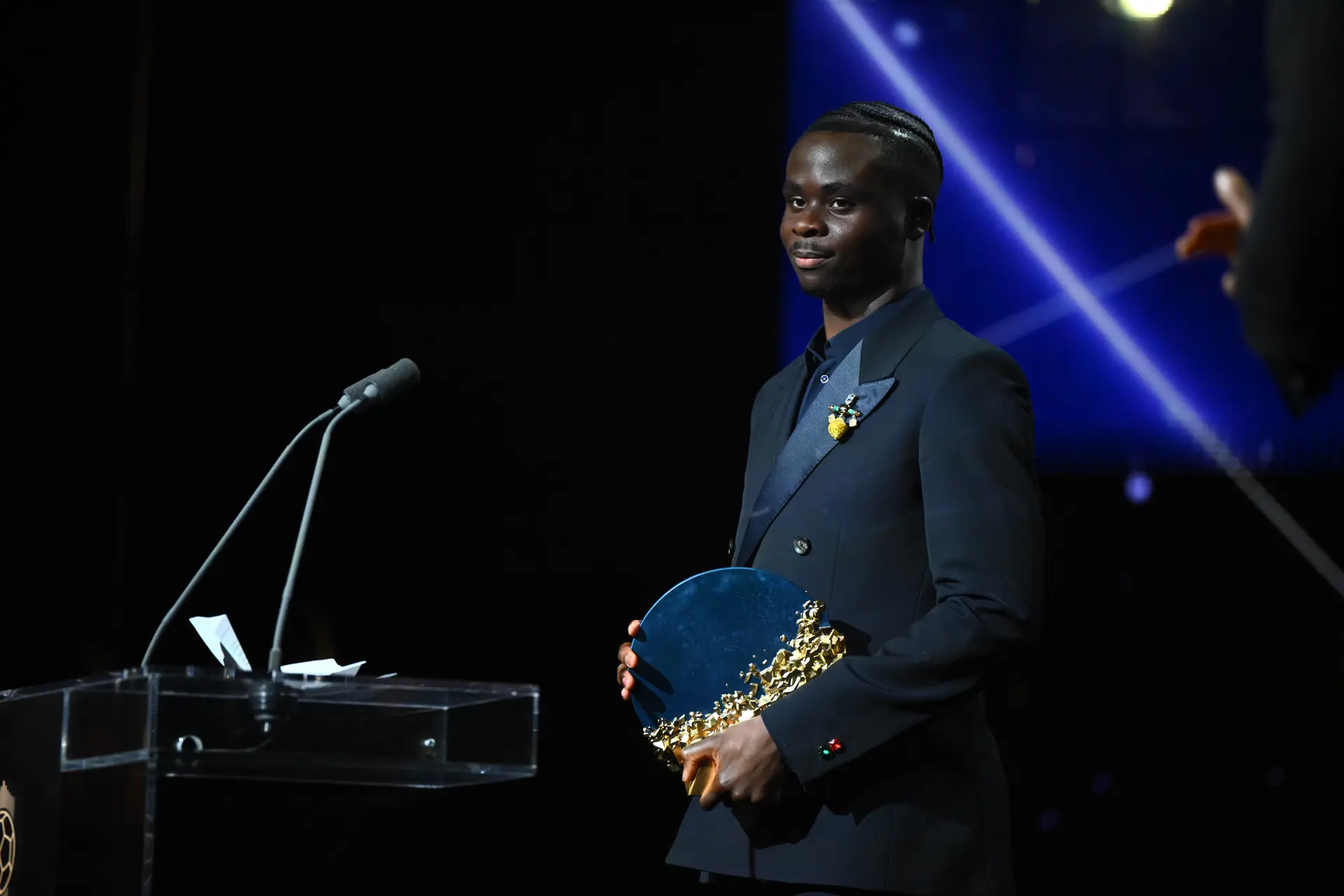
Arsenal star Bukayo Saka has just received the Sócrates Award at the 2026 Ballon d’Or ceremony.
Since 2022, the award has recognised the best humanitarian work carried out by a footballer worldwide over the previous year.

Now it is the turn of the 25-year-old Englishman, who has become one of the Gunners’ key figures, to lift the coveted trophy.
Saka uses his influence to help children and people in vulnerable situations
Saka has been involved in charitable and humanitarian work for several years.
Speaking about this work, he highlighted the importance of his heritage and of helping others: “I’m very proud of my Nigerian heritage, so being able to support children there is very special to me, and I feel very blessed to be able to help them. I remember when I was their age and had huge dreams. The message I want to convey is: keep dreaming, keep believing and go after your goals.” (Premier League)
Last year, he continued to demonstrate his commitment to giving back to the community by donating over a thousand school uniforms to four schools in Ealing, the London neighbourhood where he grew up. One of them was Greenford High School, where he studied.
Saka also donated over 100 pairs of football boots to participants at the Street Soccer Academy, an organisation that tackles youth homelessness by helping young adults find work and offering training opportunities.
Saka takes a stand against racism and hatred
Just as he promotes love and empathy, Saka rejects hatred and discrimination. After facing prejudice alongside his international teammates Marcus Rashford and Jadon Sancho for missing their penalties in the Euro 2020 final, played in July 2021, Saka, then aged 19, posted a powerful message on social media against hate: ‘To the social media platforms Instagram, Twitter and Facebook: I don’t want any child or adult to have to receive the hate messages and abuse that Marcus, Jadon and I have received this week. I knew from the start the sort of hate I was about to face, and it’s sad that your powerful platforms aren’t doing enough to stop these messages.’ (ESPN)
In August, the police had already arrested 11 people as part of the investigation into hate crimes committed via these social media messages following the final.
All these examples show one thing: Saka is important to football not only because of his talent as a player, but also because he is a positive force off the pitch, fighting hatred and helping the community and those most in need.
As he himself puts it: “For me, it’s really important to use my skills to make a positive impact whenever I can.” (Borgen Project)
