Ronaldinho is back: who will be next?
This week, we witnessed history being made. At the age of 46, Ronaldinho, winner of the 2005 Ballon d'Or, came out of retirement to return to professional football.
On Sunday, 15 November 2026, the Brazilian took to the pitch for Ravenna, an Italian Serie C club, and played the entire first half of the derby against local rivals Forlì.

Until then, his last professional appearance had been on 20 January 2016, almost 11 years earlier. On that occasion, aged 35, Ronaldinho took to the pitch for Fluminense in their Florida Cup clash against Internacional.
He started on the bench, came on at half-time and played for around 25 minutes before being substituted. Fluminense eventually lost 1–0.
This time, however, the outcome was quite different. Despite his age, Ronaldinho started the match and put in an excellent performance during the 45 minutes he was on the pitch. He played a part in the build-up to the first goal and helped Ravenna to a 2–0 victory.
His comeback got us thinking: could any other former Ballon d'Or winner do the same?
To find out, we analysed past winners of the men’s Ballon d'Or and assessed the likelihood of a comeback based on each player’s age and the date of their last professional match.
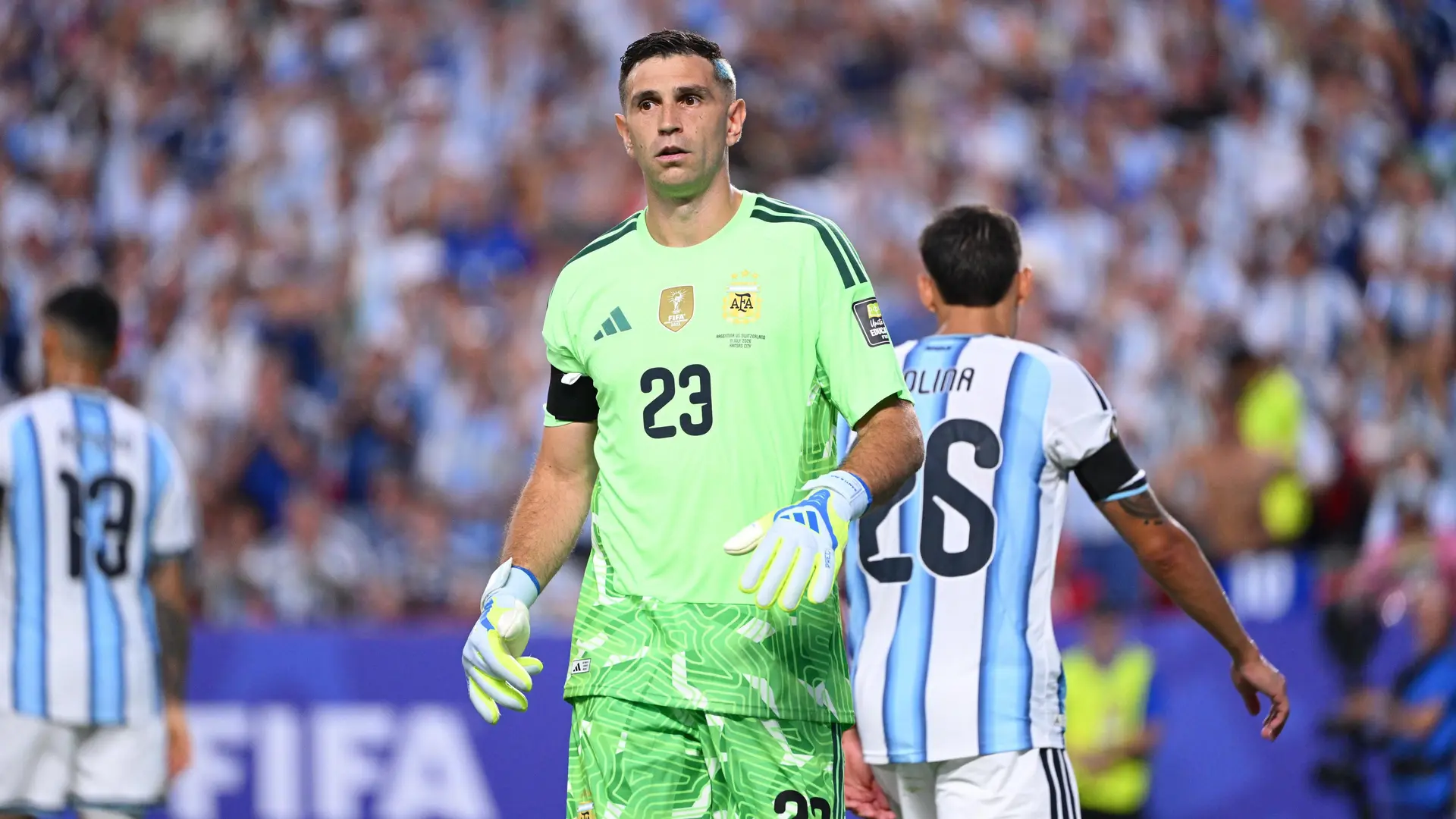
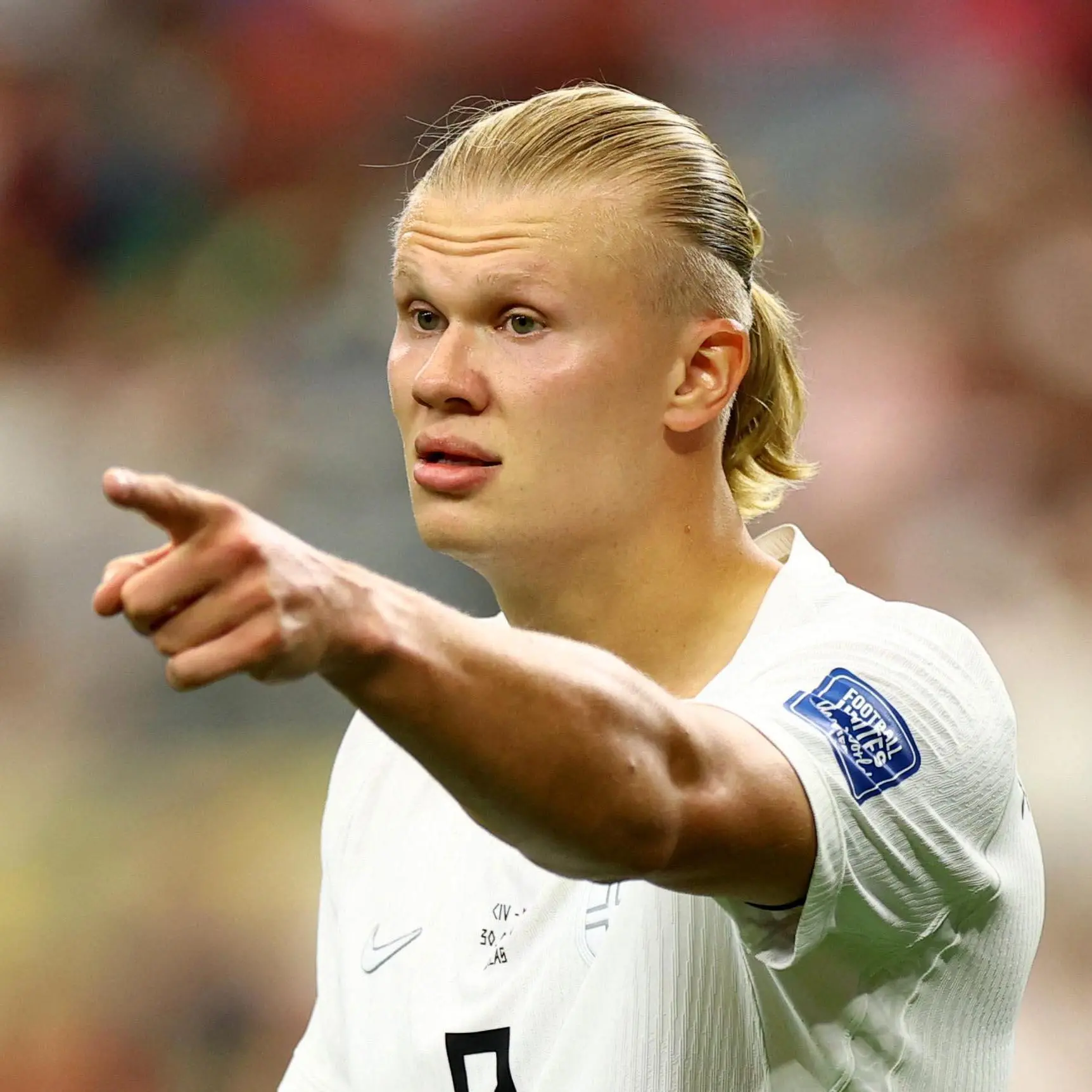
We have excluded those who are still active: Cristiano Ronaldo, Lionel Messi, Luka Modrić, Karim Benzema, Rodri, Ousmane Dembélé and Harry Kane.
We also considered only retired winners whose last competitive match took place less than 20 years ago. After all, if a player hasn’t played professionally for two decades or more, it’s highly unlikely they’ll ever do so again.
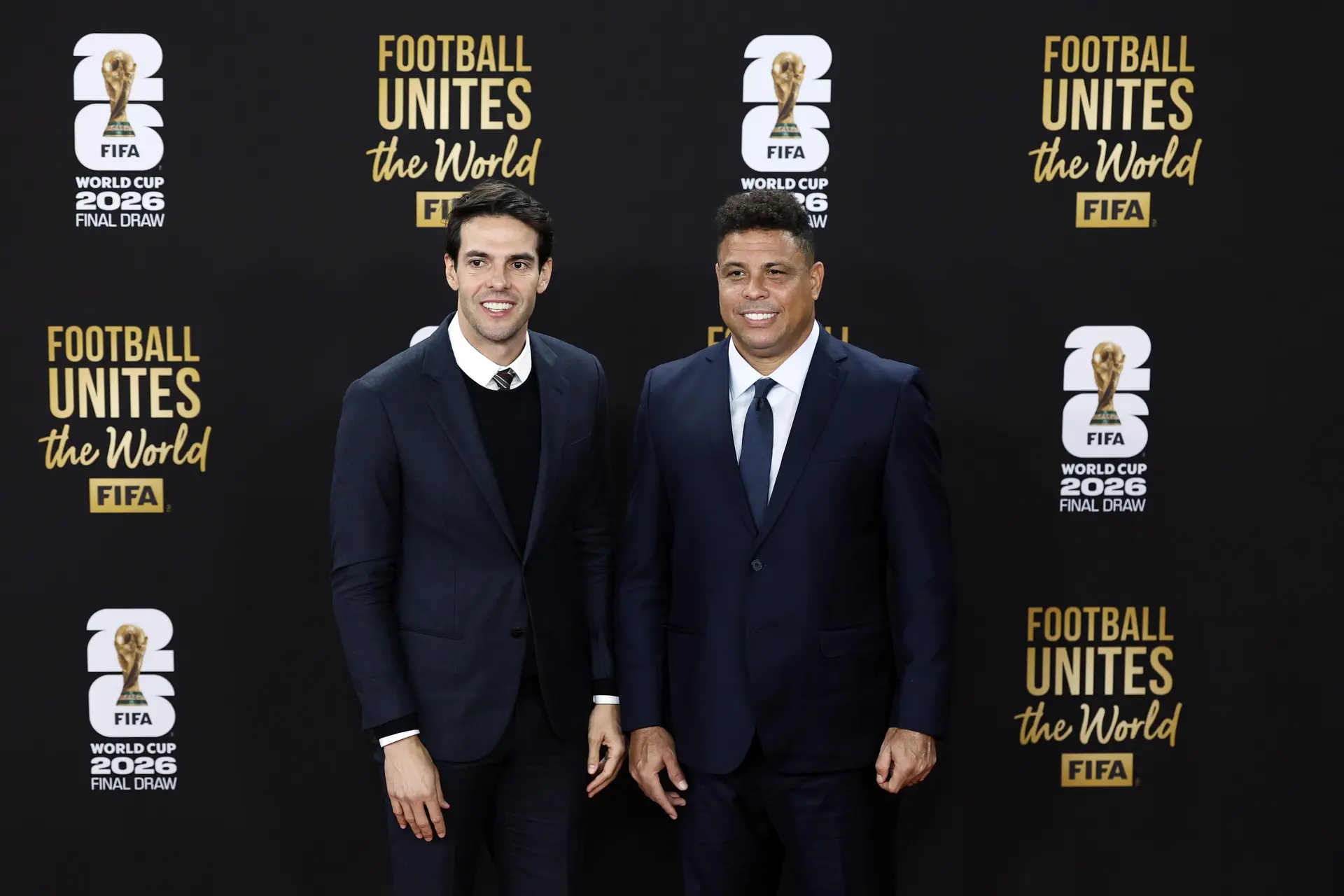
The most likely candidate: Kaká
Among the former Ballon d'Or winners, Kaká is the name who seems most likely to come out of retirement in the near future. After all, he was the one who ended his career most recently.
The Brazilian midfielder, who won the award in 2007, is currently 44 years old, two years younger than Ronaldinho.
When we consider that Cristiano Ronaldo and Luka Modrić are still playing, despite being three years younger than Kaká, the possibility of a comeback seems less like a distant dream and more like a real possibility.
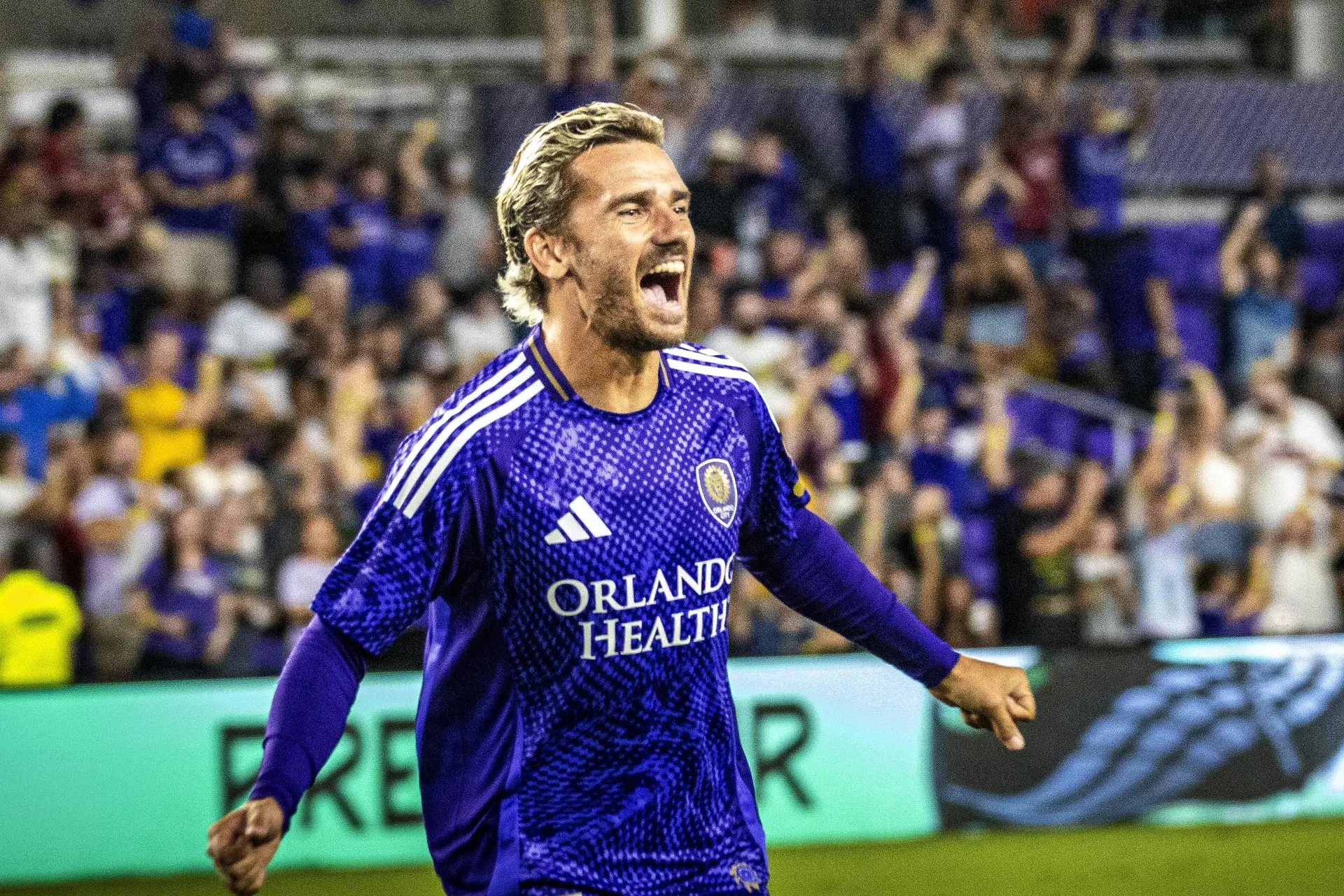
The last time Kaká took to the pitch as a professional was on 4 November 2017. He started the match and captained Orlando City in their 6–1 friendly victory over Puerto Rico. In the 65th minute, he left the pitch to applause from the crowd.
Since then, however, he has not completely abandoned the pitch. Kaká has continued to take part in charity matches and commemorative fixtures.
In April 2026, for example, he played for the Brazilian legends’ team against a team of Mexican legends. Brazil lost 3–2, but Kaká made his mark with a goal.
Of all the retired former Ballon d'Or winners, his return seems to make the most sense.
There is, however, one major hurdle: his frequent injuries played a significant part in Kaká’s decision to retire, which makes a possible comeback more difficult.
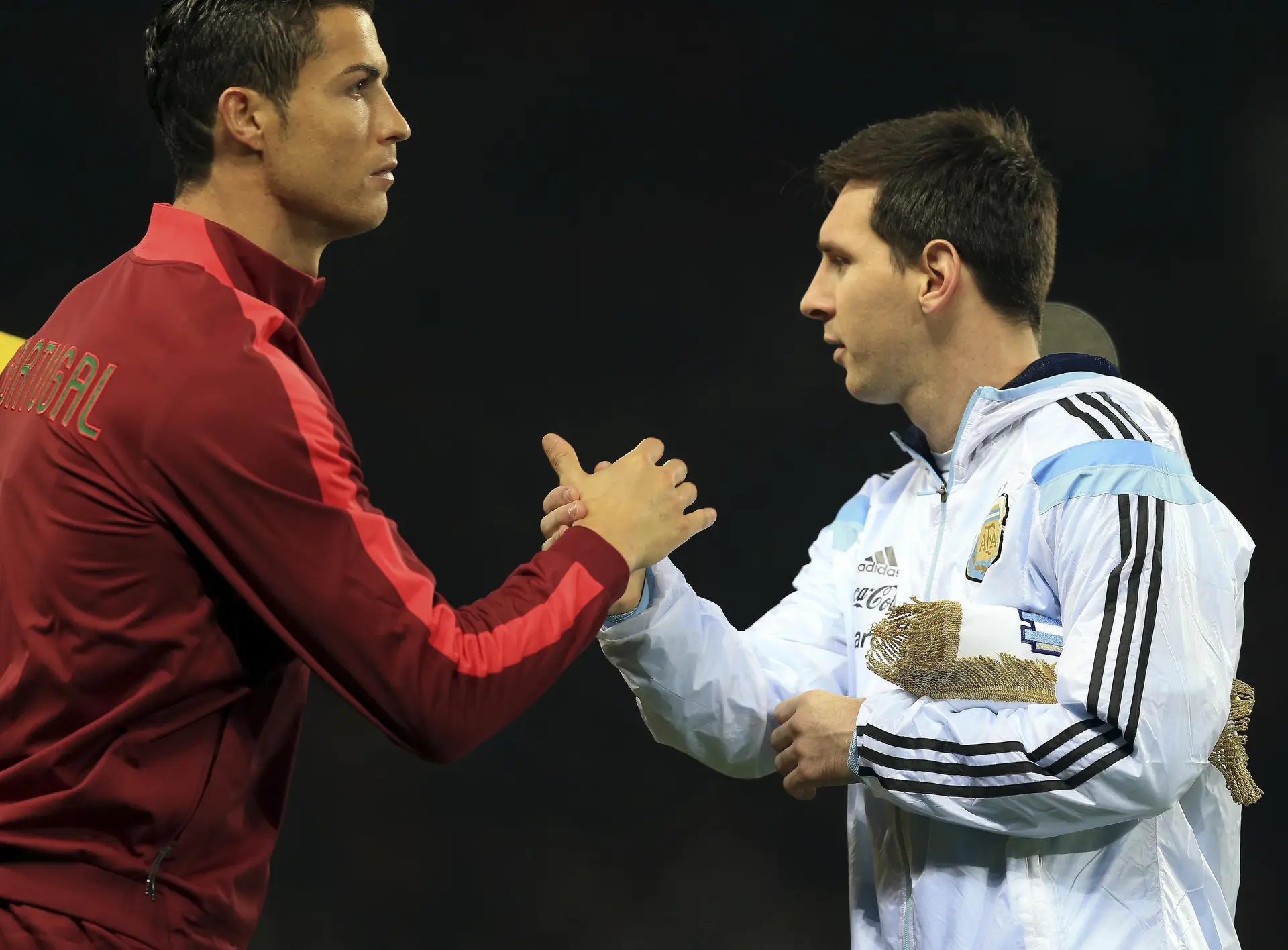
All-time top international goalscorers after the farewells of Messi, Ronaldo and Lukaku
A closer look at the top 10 goalscorers in international history, their Ballon d'Or legacy, and who is still in the running to move up the list.
Unlikely comebacks, but not impossible
Kaká is the only retired former Ballon d'Or winner whose last professional appearance took place less than a decade ago (though there is a slight caveat to this statement, as we shall see later).
It has been more than 13 years since Michael Owen’s last professional match, more than 14 years since Andriy Shevchenko’s, more than 15 years since those of Fabio Cannavaro and Ronaldo Nazário, and more than 17 years since those of Pavel Nedvěd and Luís Figo.
None of these players, therefore, seem to have much chance of returning to the pitch.
There are, however, two other players who could feature just behind Kaká in this ranking.
The first is another Brazilian: Rivaldo.
Ballon d'Or-winner in 1999, he retired at a later age than many others on this list, at 43.
His last professional appearance was for Mogi Mirim in the Brazilian Championship’s Série B on 15 August 2015. The team drew 1–1 with Luverdense, and Rivaldo started the match, playing for 75 minutes. That was just over 11 years ago.
Like Kaká, he has continued to take part in charity matches and friendly fixtures featuring former players since his retirement, including Soccer Aid in June 2025.
A comeback, therefore, is not impossible.
But there is one detail that complicates matters considerably: Rivaldo is currently 54 years old.
The second name is even more surprising: George Weah.
Over 30 years ago, in 1995, George Weah became the first player to win theBallon d'Or whilst representing a national team from outside Europe. He is now 60 years old.
In other words, his return seems highly unlikely.
But what is most surprising is that his last appearance on the pitch was more recent than Kaká’s.
On 11 September 2018, just over eight years ago, Weah, then President of Liberia, temporarily stepped down from office to return to action for his country’s national team, which lost 2–1 to Nigeria.
Before the match, he was presented with his iconic number 14 shirt, played for 78 minutes and was applauded as he left the pitch.
The friendly was organised to celebrate his election as president and marked his first appearance for the national team in 16 years.
Taking the full context into account, however, it is safe to say that his participation was an exceptional, one-off event, rather than a sign that he intended to return to playing.
A final chapter?
Ultimately, if any retired former Ballon d'Or winner were to follow in Ronaldinho’s footsteps and return to the pitch to delight the fans once more, the most likely candidate is Kaká.
But football has never been an exact science. Age, injuries and years away from competition may point in a certain direction, but they cannot predict everything that happens on the pitch.
Ronaldinho has just reminded us of this in the most unexpected way possible. After all, some stories seem to have come to an end, until someone decides to write yet another chapter.
And in football, one should never completely rule out the magic of a final comeback.